

Gutter and Downpipe Replacement
Gutter and downpipes are crucial in directing rainwater away. This prevents water damage and protects your roof. It also improves the appearance of your house.
Regular cleaning and inspections will allow you to identify problems quickly and take action to address them. You will save money in the end.
Cost
Guttering is an essential part of your home, shielding it from erosion and water damage. Gutters and downpipes drain water away from the structure, preventing it from pooling around the foundation or other structural parts of your home. If these systems are damaged or clogged, they should be replaced promptly to prevent costly repairs.
The longevity and safety of your home are dependent on the materials you select for your downpipes and gutters. Metal options like galvanised steel or aluminium offer strength and durability and plastic alternatives like PVC and vinyl provide the flexibility and affordability. These materials also require regular maintenance to prevent the fading and corrosion.
The cost of downpipes or guttering can be determined by the length and whether additional accessories are required to ensure proper operation. A downpipe leaf catcher, also known as a rainwater head, can decrease the necessity of cleaning gutters by preventing debris entering the downpipes. This accessory can help improve drainage by preventing downpipe blockages, and reducing the amount water that accumulates under the guttering.
Costs for installation are another factor that influences the cost of guttering. The complexity of the roof structure and landscaping around your residence can impact the labor costs. If the guttering is installed incorrectly, it can result in leaks, mold growth and even rot. Having a licenced roof plumber carry out guttering replacement will ensure that industry standards are met and the job is done right the first time.
Guttering and downpipes can be found in a wide range of colors. The rule of thumb is to match the color of the downpipe to the trim color if they are running along it, and to the siding colour in the event that they are flush with it. Certain homeowners have an eye for detail and like to mix and match the guttering and downpipe colors. This lets them create a style that is unique and personalised to their home.
Materials
The kind of material you choose for your gutters and downpipes will depend on many aspects, including your budget, climate and style. For example, if you live in an area that is snowy, you'll need a gutter system that is able to take on the weight of ice and snow. If your home is near water, you'll need to select gutters that are resistant to corrosion and long-lasting.
You can pick from a range of materials for gutters, such as vinyl, aluminum galvanized steel, and vinyl. However aluminum is the most sought-after because of its low cost and light-weight properties. It's also available in a variety of colors and is easily shaped into different shapes. Aluminum gutters are also resistant to rust and come with a 50-year manufacturer's warranty.
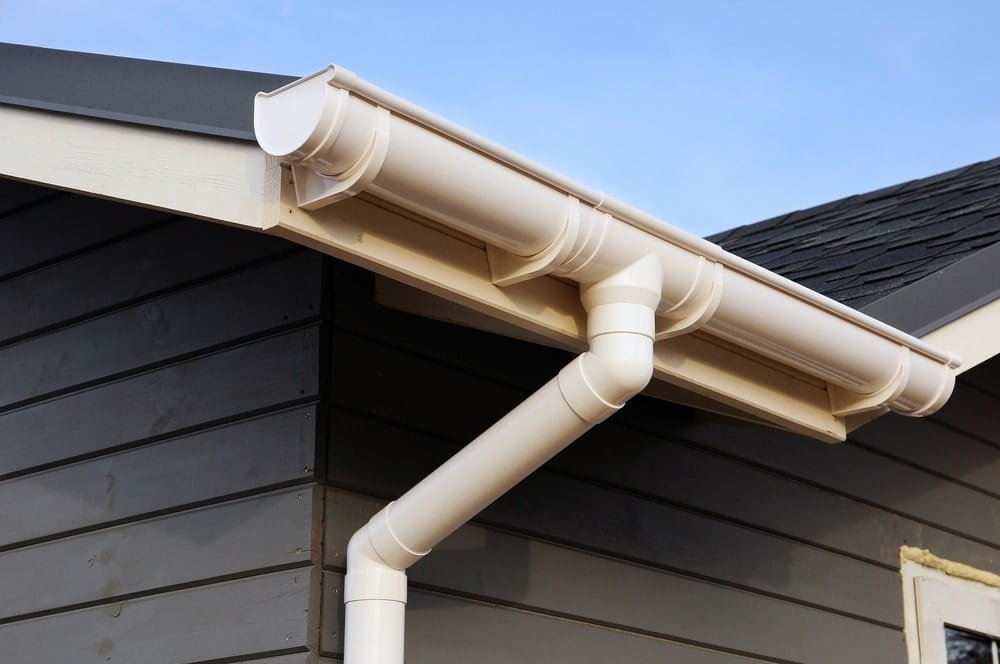
Gutter systems comprise of gutter hangers, downspouts elbows, connectors, and end caps. Installing gutters requires screws and sealants. Gutter hangers are attached to the fascia boards while elbows and downspouts join sections of gutter together. End caps for gutters are used to seal the ends of downspouts to stop water from leaking.
Downspouts, or vertical pipes, are vertical pipes that take water away from a house. The downspouts you install should slope downwards to prevent water from accumulating around the foundation of your house which could cause soil erosion or damage to the structure.
While downspouts are an important element of your gutter system however, they can be a challenge to install properly. For instance, if your downspouts don't sit away from your foundation, it could result in the growth of mold and water in the basement. To prevent this from happening, you should hire an expert to make sure that your downspouts are correctly installed and sloped.
Another option is to use copper gutters that are a stunning addition to your home and require little maintenance. They're durable and long-lasting, and they can be plated to match your existing paint color. Copper gutters are more expensive than other materials. They can also require regular maintenance, such as cleaning and inspections for cracks and leaks. A professional gutter replacement service can help you determine what kind of gutters and downpipes is right for your home.
Installation
Gutters and downpipes play a crucial role in directing rainwater away from your house, reducing the chance of water damage. However, over time and exposure to elements, guttering can wear down, so it's essential to replace them. The best gutters are made of strong materials, such as aluminium or steel, and can last for decades if properly maintained. RepairMyWindowsAndDoors can install them yourself or hire a professional to do it for you. It is best to hire an established company that is reputable and guarantees their work and gives warranties.
To avoid clogging, wash your old gutters thoroughly before installing new ones. Also, you should inspect your gutters to see whether there are any damaged sections or if they need to be replaced. Also, keep in mind that your gutters must be sloped so that rainwater drains away from the home. This will stop it from creating water damage to the foundation of the house and landscape.
After you've cleaned your old guttering, it's time to prepare it for installation. Ensure that you have the proper tools and follow the guidelines for your particular type of downpipes and gutters. You can buy a complete set at an improvement store or buy it on the internet. You should consider hiring a professional if you are not comfortable climbing a ladder and do not have the proper safety gear.
Begin by identifying where you'd like to put downspouts along your house's exterior walls. Count the number of corners and outside and inside corners to determine how many downspouts you need. To determine the length of each section of gutter, measure the height of your wall. Also, take into consideration the number of elbows that each downspout requires.
Duckbill tinsnips are the ideal method of cutting elbows and gutter sections after you know how many you need. When you build the gutter, leave a 4-inch overlap between each piece. Also cut a notch along the front of each gutter section to fit it with the edge of the piece that connects it. After that apply gutter sealant along the overlapping seams to create an airtight seal.
Maintenance
The protection of your home from the unpredictable Australian weather is among the most important tasks that a homeowner can take on, and two of its unsung heroes - the downpipe and the gutter are vital to ensure roof longevity, garden preservation and foundation solidity. They redirect rainwater and melting snow and ice safely away from the house, preventing costly water damage and avoiding rot, mould and pest problems.
The good part is that your gutters and downpipes can last for a long time if they are well maintained, and regular cleaning and inspection will ensure that your gutters remain in good working order. However, over the years and through constant exposure to elements, even the sturdiest guttering materials will be damaged and wear out, so it's important to recognize when it's time to consider an upgrade.
The most common indicators that it's time to replace your guttering are visible cracks or splits or peeling paint, rust as well as a sagging appearance, unevenness, or a lack of adequate drainage (water marks under the gutter can indicate leaks or overflows).
Another thing to take into consideration is that the new gutters should be ideally matched to the existing downpipes in order to work effectively. Mismatched components can cause issues like the inability to flow water or clogging and overflow.
The most effective gutters and downpipes are constructed from a durable material, such as aluminium, and are fitted to the fascia boards by gutter hangers to secure them to the structure. They should be equipped with downpipe covers to stop debris like leaves from accumulating in the gutters, and they should have a slope that will ensure that water flows efficiently to the downpipes.
Accessories such as downspout diverters, leaf catchers and rainwater heads can improve the efficiency of gutters and downpipes. Gutter guards can be put in on metal or wood gutters. They act as a barrier to keep insects and debris out of the guttering system. This will help protect your home and keep its value. Gutter guards are easily installed, and are an effective and cost-effective option for many homeowners.